
February 17, 2026
The top 10 reasons subscribers cancel and how to save them from churn

TABLE OF CONTENTS
TOPICS
RELATED POSTS

Most subscription businesses treat all cancellations the same. Whether a customer is leaving because they are angry or bored of the service, they get the same "Please stay!" email or the same generic discount code.
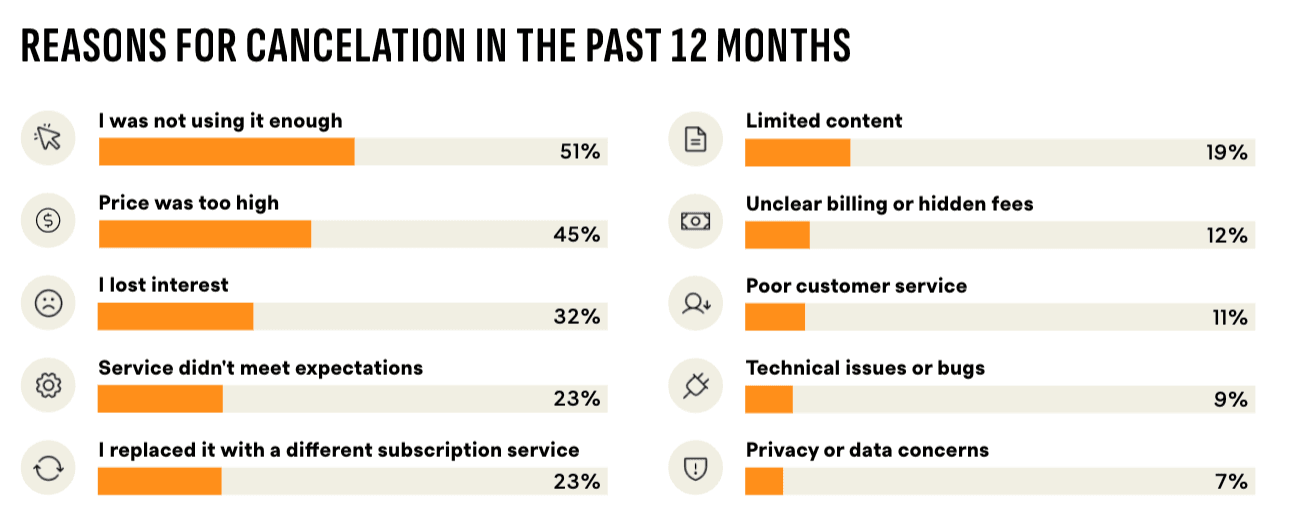
But according to our 2026 State of Subscriptions report, cancellation reasons are highly specific. If you don't know why they are leaving, you cannot stop them from leaving. The devil is in the details, as they say, and a generic save gets generic results. To reduce churn, you need to match the save tactic to the specific exit trigger. Here is the playbook for the top 10 reasons subscribers leave, and the cancel saves for each one.
1. “I was not using it enough”
This may come as no surprise to many of you who track engagement. If a subscriber is not using your product, how can they see the value in it? While the ultimate goal is to create campaigns that engage the subscriber before this ever happens, what should you do if they jump the gun before you have time to implement a plan?
Do not offer a discount to someone who isn't using the product — they don't care about the price; they care about the value. Instead, acknowledge their reality. If they aren't using it right now, offer them a way to pause their billing for 1-3 months. This is critical for seasonal types of subscriptions such as sports, food, and pets. Pause options are also critical in markets like EMEA, which values flexibility in their subscriptions.
Why it works: Merchants offering a pause option saw usage increase by 337% with 34% of subscribers noting that they would rather pause than cancel, according to our 2026 State of Subscriptions. It keeps the customer in your ecosystem, preserving their data for when their schedule clears up.
2. “Price was too high”
Value is always top of mind for the customer, which can make your price a point of weakness if the value proposition isn’t high. If a user clicks "Cancel" citing cost, there are many ways to save them. Both discounts and downgrade paths have their merits for subscribers, and you’ll want to fine-tune your retention strategy to maximize getting them back on a higher plan.
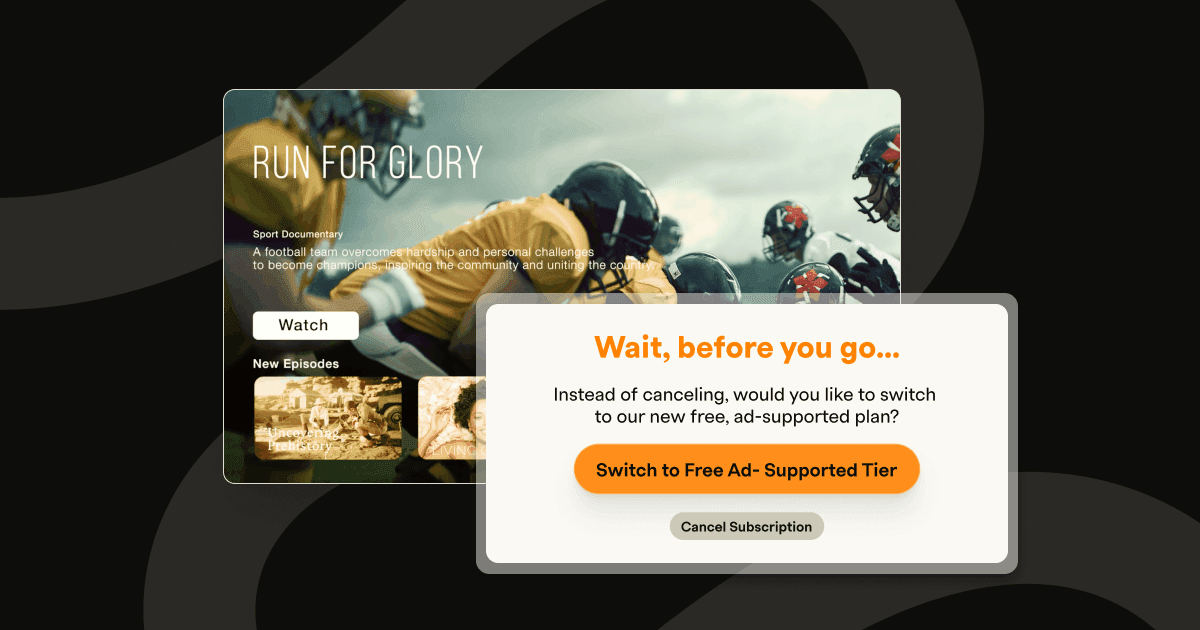
Why it works: Our 'What subscribers want' report highlights a dual focus on value: while 34% of consumers are moved by immediate, simple discounts, an equal 34% prioritize a sustained lower price as their primary reason to stay subscribed.
3. “I lost interest”
This is another symptom related to not keeping the subscriber engaged. You most likely have a fantastic product, but it can be hard for subscribers to see that especially early on. "Lost interest" can often mean "overwhelmed by choice."
These users don't need more content; they need better direction. Though this subscriber is likely to churn, that doesn’t mean they are gone forever. Trigger a "Best of" email digest or a personalized usage report highlighting what they have achieved. Remind them of the specific value they originally signed up for.
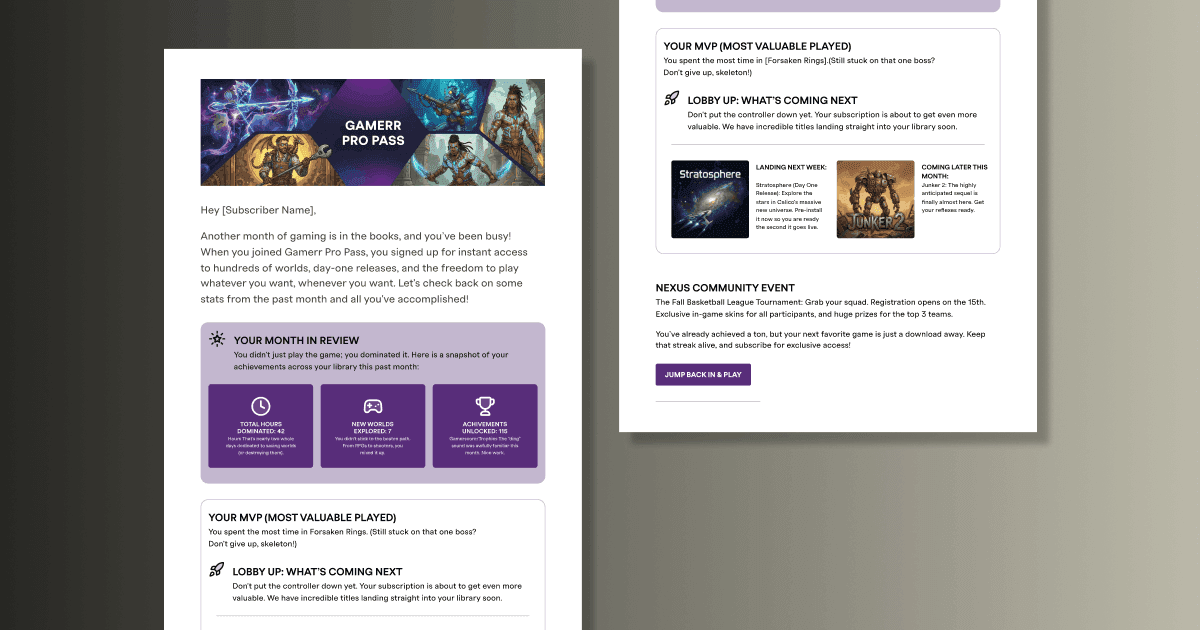
Why it works: Nearly 1 in 4 new subscriptions come from a previously canceled customer.
4. “Service didn't meet expectations”
To quote Brian Gregory, Senior Director of Engineering at Chegg, “If your customers canceled in the past, there was a reason for it, and you better know that reason. Otherwise, you're going to miss out on the chance to bring them back.”
This user is disappointed. To save them, you must make them feel heard, not sold to. Invite them to a "Product Council" or give them beta access to a new feature that addresses their specific complaint. Turning a critic into an insider is a powerful retention loop.
Why it works: A decline in service is one of the top reasons for many subscribers to cancel. Winning them back is about establishing that value again upfront.
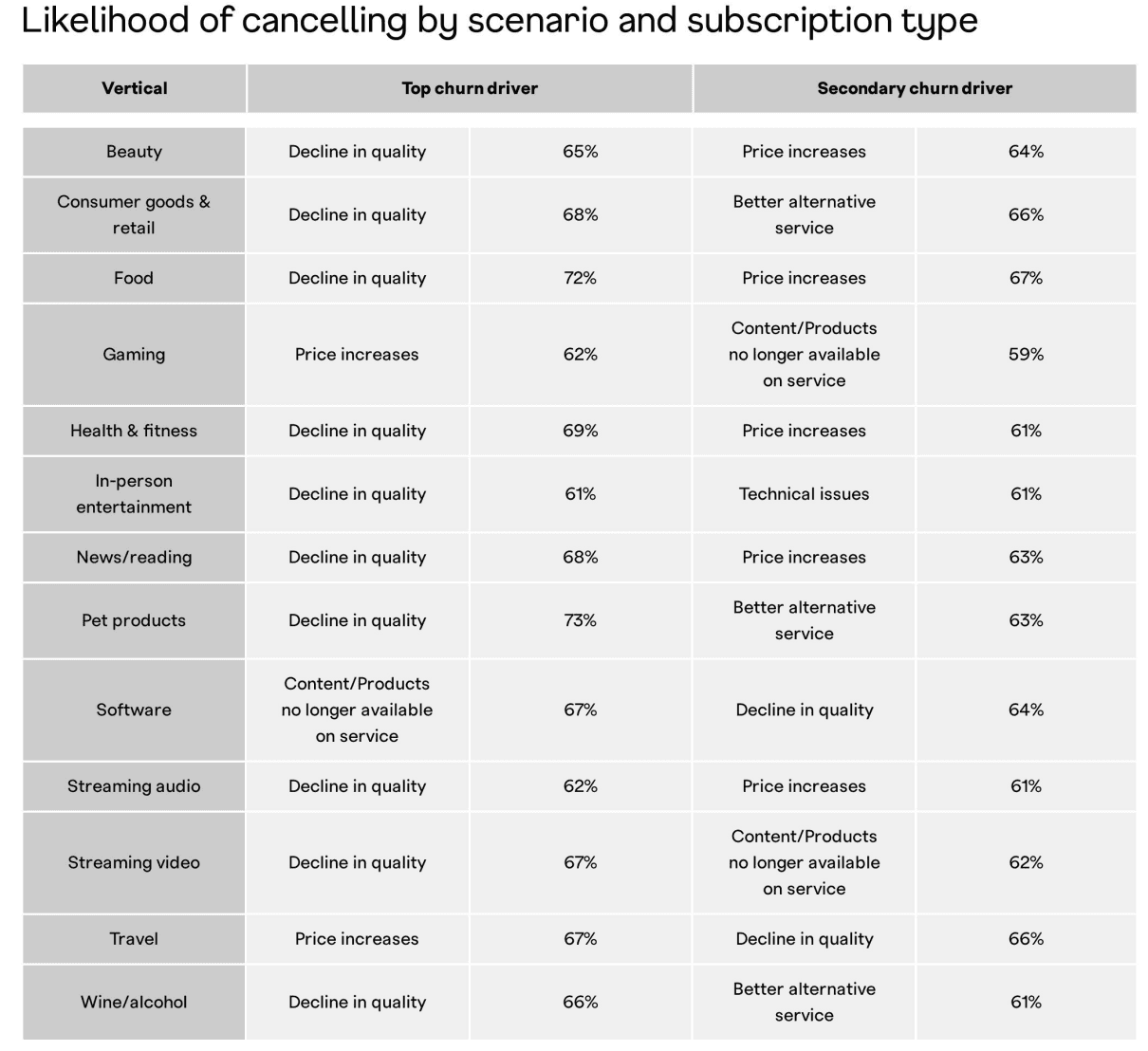
5. “I replaced it with a different service”
Many subscription markets have reached saturation, which means that there is ample competition. Subscription companies are not only looking to keep subscribers for the long haul, but replace existing subscriptions with their own.
The best tactic to combat this cancellation is showcasing and highlighting how loyalty to your service offers exclusive benefits or perks. Remind subscribers of their tenure ("you've been with us for 2 years") and unlock a loyalty perk. Loyalty perks could include exclusive rates, specialized features, or first access.
Why it works: Subscribers want to be shown rewards and exclusivity for their longevity, and it’s important to understand that these are your power users.
6. “Limited content”
Most subscription services have thousands of hours of content to be watched or consumed. Subscribers are leaving because they think they have seen everything. Prove them wrong. Show them a sneak peek of what is coming next month. Teasing new releases and launches can be enough to delay a cancellation for another billing cycle for many subscribers. This can also be part of your overall engagement strategy as well.
Why it works: It promises future value. Since exclusive content is a top retention driver (40%) for motivating loyalty, proving that the library is growing gives them a reason to stick around for one more billing cycle.
7. “Unclear billing or hidden fees”
No one likes being surprised with an unexpected bill. No matter if you are in the DTC or B2B space. This is one of the most dangerous types of churn because it kills advocacy. Instead of turning them into a superhero of your product, they may feel like the villain. If a user feels tricked, a simple discount most likely will not save them because that trust feels broken. It needs to be paired with a refund for the last disputed charge, and continued transparency going forward.
Why it works: It saves your reputation. Transparent billing is the #1 driver of loyalty (44%). Fixing the breach of trust is the only way to potentially win them back later.
8. “Poor customer service”
In an age of AI technology conducting general customer service, poor outcomes hit even harder because subscribers feel like they won’t receive actual help. Customer service is an essential part of your growth strategy that can turn customers into brand advocates. When situations escalate, customers need to feel seen by a human. Create a specific email automation for escalation with the option to talk to the “Head of Customer Marketing” or someone similar to that role.
Why it works: Customer service remains a top-three loyalty driver (40%). In an automated world, a genuine, human apology is vital — it proves that a failure was the exception, not the rule, and helps rebuild trust instantly.
Email template you can follow:
Subject: Sincere apologies regarding your experience with [Company Name]
Dear [Customer Name],
I am writing to you today because it has come to my attention that your recent interactions with our support team have fallen well below the standards we set for ourselves.
First and foremost: I am truly sorry. It is clear that we haven't provided the timely or effective resolution you deserve. We value your business, but more importantly, we value the trust you place in us. It is evident to us that we’ve let you down. We are currently conducting an internal review of your case to understand exactly where our process broke down to ensure this doesn’t happen again.
To make things right and to ensure your voice is heard at the highest level, I would like to invite you to a brief meeting with our Head of Customer Marketing, [Name].
Why this meeting?
Direct resolution: We want to finalize a solution for your pending issues immediately.
Feedback: We want to hear your perspective on how we can improve our communication.
Restoring the relationship: We’d like to discuss how we can earn back your partnership.
Are you available for a 15-minute call on [Day], [Date] at [Time]? If that doesn’t work for you, please let me know a time that does, or you can book a slot directly via this link: [Link to Calendar].
Thank you for your patience and for giving us the opportunity to fix this.
Best regards,
[Your Name] [Your Title] [Company Name]
9. “Technical issues or bugs”
A product friction issue is usually no small task to fix. You likely can't stop this cancellation at the moment. The "save" happens later. Tag this user in your CRM and trigger an automated win-back email when that specific bug is fixed.
Why it works: It targets the specific reason for leaving. Since nearly 1 in 4 new subscriptions are win-backs, proving you fixed the problem is the most effective way to reactivate them.
10.“Privacy or data concerns”
Customers want their data and privacy to be as secure as possible, especially if the subscription involves medical information. The cancellation save for this concern is to listen to your customers, implement change, and notify them of these changes. More importantly, you should be proactive with keeping up with the latest in security and data protection.
Why it works: Data security is a top priority for 84% of consumers. Staying ahead of the curve and correcting problems is one of the best ways to earn customer loyalty.
Cancellation is not the end
Sometimes, you cannot save subscribers — and that is okay. The goal of a great "cancel save" flow isn't just to stop 100% of exits; it's to ensure the door remains open. Churn is no longer the closed door it used to be. It can now act as a pit stop for customers along their journey.
By tailoring your off-boarding experience to the specific reason for leaving, you ensure that "goodbye" is actually just "see you later.” Want to learn more about industry metrics driving the subscription space? Check out our 2026 State of Subscriptions here!