CASE STUDY
Behind the brand: How HeatSense and Recurly are powering the future of athlete safety

TABLE OF CONTENTS


The moment that changed everything
In the summer heat of Texas, HeatSense founder Melissa experienced the moment that would reshape her life — and ultimately, the lives of countless athletes.
“Last summer, I went to my son’s football game. It was 107 degrees in the car,” she recalls. “I was sitting in the stands and was super hot and could not self-regulate. I was dizzy. I couldn't catch my breath.”
Then her focus shifted, not to herself, but to the kids on the field. “My attention immediately turned to the athletes, and I was super worried.”
The experience sent her down a research rabbit hole. What she found exposed the cracks in the system meant to protect young athletes from heat-related illness.
The three problems no one was solving
Melissa discovered that heat safety wasn’t a single issue — it was a network of failures.
First, “regulations don't deal with heat until symptoms are life-threatening.” Intervention comes only when it’s already almost too late.
Second, teams rely on weather-based metrics to guide decisions, but weather treats every athlete as the same. “The problem with weather is that it’s one number that applies to every athlete on the field,” she explains. “Every unique body responds to heat differently. Every athlete may show up hydrated differently or acclimated differently. Every day is different for every unique person.”
And third, the biggest shock, the only accurate measure of core body temperature available today is invasive and unusable at scale. “Core body temperature is the number one thing you have to understand,” she says. “But the only way to measure it today, even in the pros, is with a rectal thermometer. I thought to myself, that definitely does not scale.”
What she found wasn’t just a gap. It was an opportunity to build something better.
Turning a personal scare into a wearable solution
“I thought technology has to be able to solve this,” she says.
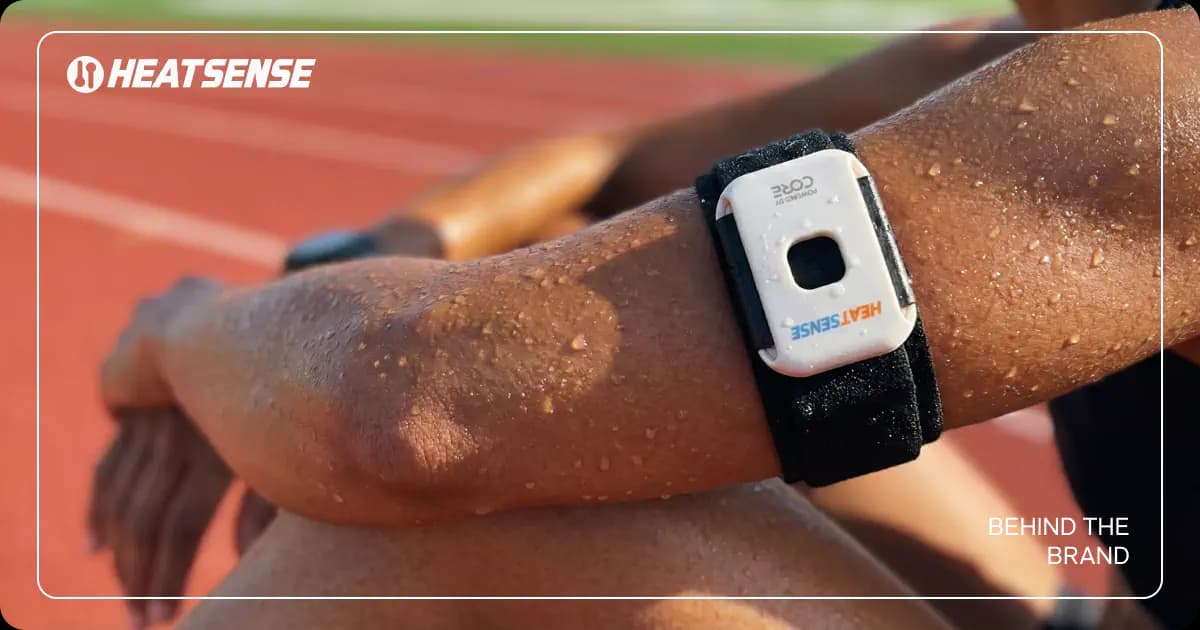
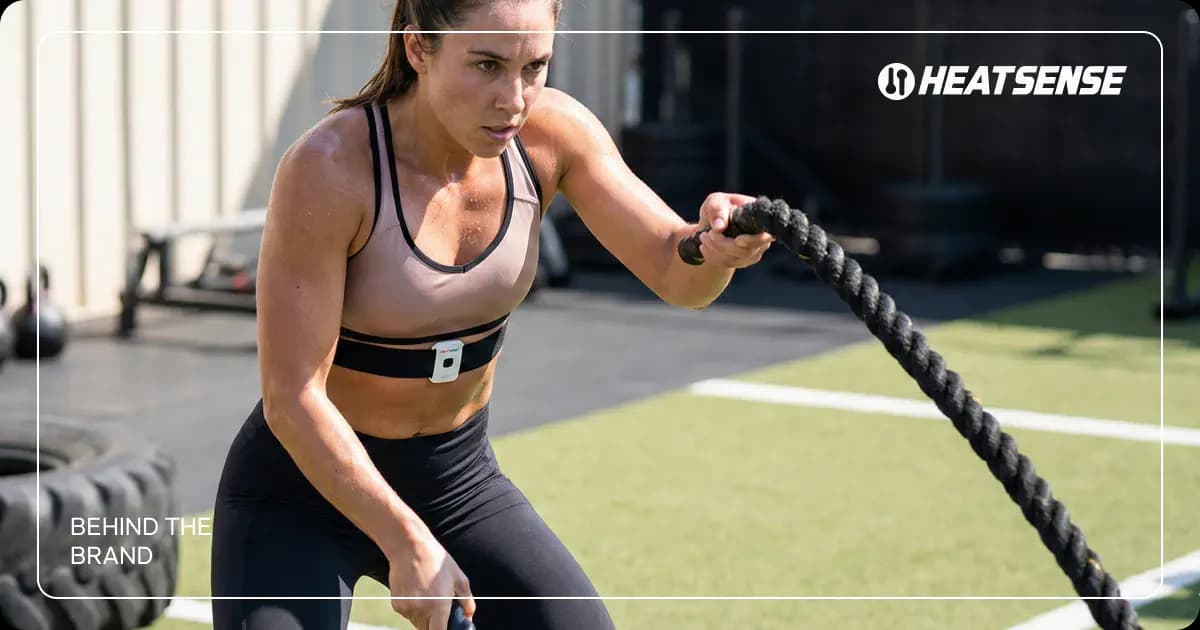
HeatSense emerged from that conviction. The platform pairs a non-invasive wearable — “basically a fitness tracker you can put on your bicep or chest strap” — with an athlete app and a team dashboard. Together, they translate real-time physiological data into a clear picture of heat strain.
It’s designed for both individual athletes and team organizations, with specific experiences built for each:
An app for consumers and youth athletes
A team dashboard for coaches and athletic staff
But one internal decision came quickly: HeatSense would not spend its precious early engineering cycles building a subscription platform from scratch.
“Starting the company, we really wanted to focus on solving the problem,” Melissa explains. “We did not want to focus our time on subscriptions and memberships. We knew it would take a lot of time if we were to custom develop that ourselves.”
The subscription engine behind HeatSense
HeatSense’s business relies on recurring revenue from multiple audiences — a structural challenge most early-stage startups underestimate. Melissa knew she needed a system that could flex across B2C and B2B, support memberships, integrate with Shopify, and automate the renewal lifecycle.
“Because we had both B2B and B2C components of our business, I knew I needed a platform that could do both — which is awesome that Recurly can do that.”
HeatSense uses Recurly’s native subscription platform to manage team dashboard memberships while relying on Recurly Commerce to power its Shopify-based consumer storefront.
“Someone can buy our HeatSense thermal sensor on Shopify and then be brought really seamlessly into a membership,” she says. “And that membership, ongoing retention, and renewal is all managed for me.”
Recurly also takes care of messaging, billing logic, and customer lifecycle workflows. “Everything is totally out of the box,” Melissa says. “I did not have to create the platform for subscriptions. I do not have to manage the email journey. They integrate with Shopify — everything is managed for me.”
What a startup needs: a partner, not just a platform
Growing a company tackling a mission as critical as heat safety requires time and partners who can help founders reclaim it.
“Being a startup, having a partner that could really spend time with me was super important,” Melissa says. “Recurly has been awesome at that.”
Whether onboarding, refining settings, or making minor customizations, the support has been hands-on and high-impact. “Figuring out any kind of customization needs we had has all been really seamless and really easy with Recurly.”
That partnership enables HeatSense to stay focused on the work that matters most: making athletes safer.
Built for scale as the climate changes
HeatSense sits at the intersection of athlete safety, health tech, and climate adaptation — all categories that are accelerating. As temperatures climb and regulations evolve, demand for proactive heat-readiness tools is rising across the country.
Melissa built HeatSense for this future and chose infrastructure built for the long term.
“Recurly is built for big businesses,” she says. “So I’m confident that as HeatSense grows, Recurly will be our partner for a long time.”
What began as one alarming afternoon in the stands has become a data-driven safety platform with the potential to transform how athletes train, compete, and stay healthy. With HeatSense at the innovation forefront, and Recurly and Recurly Commerce powering its growth engine, the path to safer play has never been clearer.



