August 17, 2026
Subscribers don't want one bundle. They want to build their own.

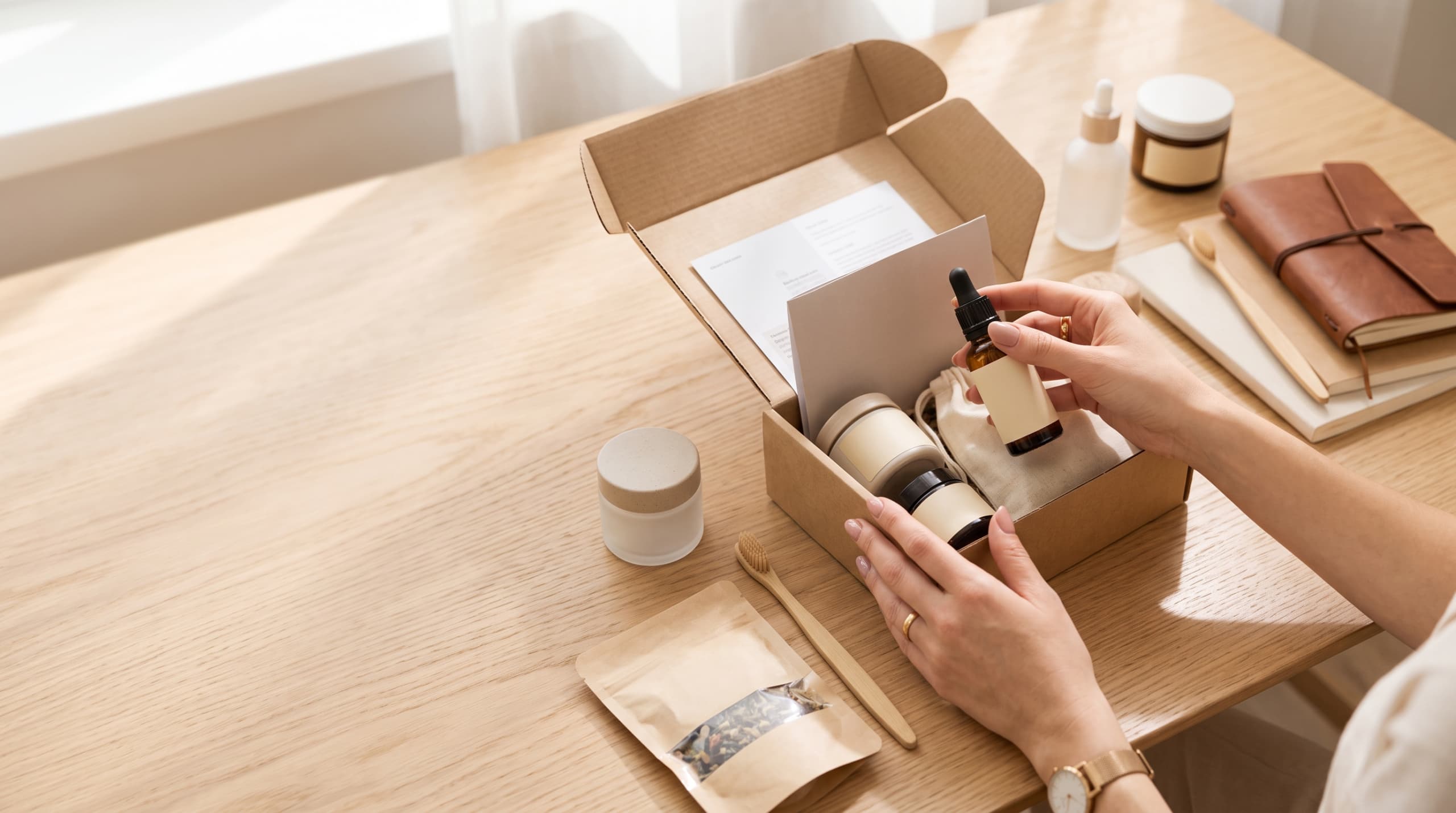
TABLE OF CONTENTS
RELATED POSTS


Bundling used to be a simple idea: package two or three products together, offer a discount, sell more units per order. However, merchants are finding that bundling subscriptions and stand alone products are becoming more complex as time goes on. Customers are demanding more flexibility and customization in cadence. What does this actually mean though? Let’s break it down.
When a bundle SKU becomes a constraint instead of a convenience
One of our skincare merchants ran into this recently. Their existing bundle packages two products together as a single SKU on a single subscription. It's worked well, but it also means both products ship on the same schedule, whether or not the customer actually uses them at the same rate. One product might run out in three weeks. The other might last six.
Their proposed fix is to split the bundle SKU into two individual product SKUs within a single subscription contract, so each product can carry its own cadence and volume while still billing the customer once and shipping through one order. That's a meaningfully different model than a traditional bundle. It's not "buy these two things together." It's "manage these two things together, on the schedule each one actually needs." This type of flexibility is the future of subscriptions.
When the platform simply can't do it
A podcast membership business evaluating subscription platforms this week described the opposite problem: a current platform that actively prevents this kind of flexibility. Bundling subscriptions, enterprise sales, and cross-product offerings, like combining a podcast subscription with a written content subscription, are all off the table on their existing setup. So is any control over dunning or the cancellation journey.
Media businesses are increasingly looking to multi-format memberships to sustain revenue and growth and improve on their business model. When a platform can't combine two content types under one billing relationship, the business either stays smaller than it wants to be or builds a workaround that creates its own operational mess that keeps it from growing as fast.
The demand is showing up before the feature request is even fully formed
What's notable across these conversations is that merchants aren't always asking for "bundling" by name. A DTC subscription brand's account team raised the idea of re-exploring a bundling feature as part of a routine sync, in the context of upcoming product launches and promotional planning, not as a response to a specific pain point. The brand's team hadn't fully scoped what they needed yet. They just knew that more customization for how products get packaged together would open up options for their Q3 and Q4 promotional calendar.
That's often how this shows up. It's less "we need mix-and-match bundling" and more "we want to combine these things in a way our current setup makes surprisingly hard." The underlying need is the same. It's just phrased as a product question before it's recognized as a billing architecture question.
What flexible bundling actually requires
Billing and checkout needs to happen once, even when the products inside it don't share the same cadence. Each product inside the bundle needs its own renewal timing, volume, and potentially its own price point, without forcing the customer to manage multiple separate subscriptions to get that flexibility. The merchant then needs visibility into the bundle as a whole, not just its individual parts, for reporting and retention purposes.
This is different from the discount-bundle model most platforms were originally built around. A discount bundle is a pricing decision made once at setup. A flexible bundle is an ongoing subscription between products that needs to accommodate real-world usage patterns that account for things like pausing and resubscribing.
Why this matters beyond any single feature
A skincare brand with complementary products used at different rates, a media company trying to combine content types under one membership, and a DTC brand planning multi-product promotions all landed on the same underlying need from three completely different starting points. We believe that this is a trend at a broader shift in how subscribers expect to interact with the brands they pay recurring revenue to.
Subscribers increasingly expect the products they buy from a single brand to feel like an ongoing subscription, not several different relationships. Billing that can't keep up with that expectation shows up as friction the customer feels, even if they couldn't name why. Getting the architecture right underneath a bundle isn't a back-office detail. It's the difference between a subscription experience that feels considered and one that feels like several separate transactions wearing a single brand name. Want to learn more about how you can improve your tech stack to achieve this?



